A 600-800 MW asset the national system cannot see
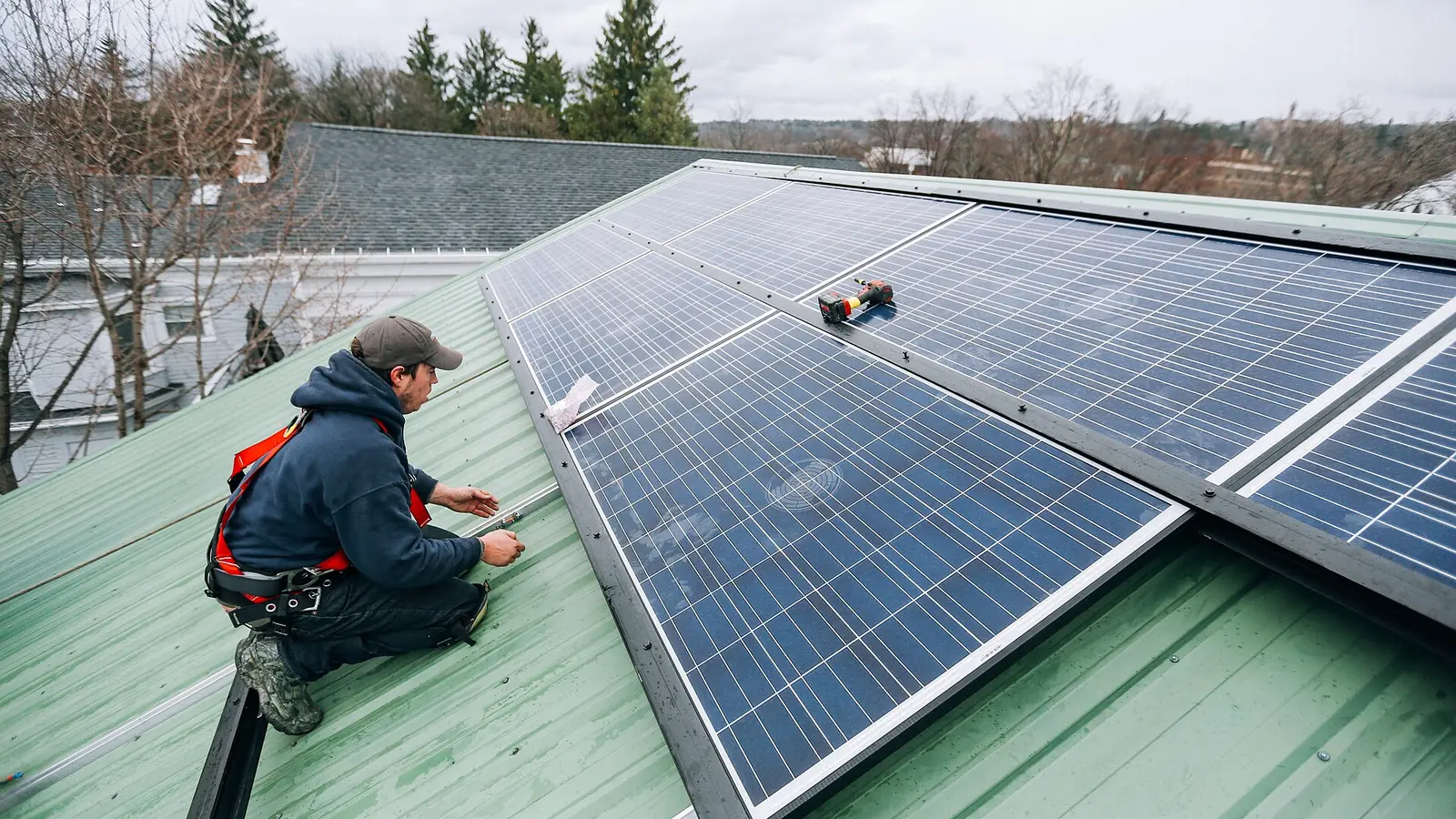
At the end of 2025, Romania counted roughly 300,000 active prosumers — individuals and legal entities that generate energy from renewable sources and feed part of it into the distribution grid. Available estimates place the total installed capacity in prosumers' batteries at between 600 and 800 MW at the close of 2025.
The context for this figure: total storage capacity at the level of the national energy system is approximately 600 MW, of which about half is concentrated at a single private operator. Romanian prosumers have individually installed, in small 5-20 kWh systems, a distributed storage capacity comparable to or greater than the country's entire institutionalized capacity — in less than five years, without a coordinated national program.
The evening deficit and the untapped potential
Romania's national energy system has a recognized operational vulnerability: the power deficit during the 17:00-21:00 and 06:00-09:00 intervals, when demand peaks but photovoltaic output is zero or minimal. In periods of intense renewable output, the evening deficit fluctuates between 2,000 and 4,000 MW — offset through imports or by activating warm-reserve thermal capacities.
The 600-800 MW of distributed storage installed at prosumers theoretically represents 15-40% of the evening deficit. In practice, this energy is not available to the system: each prosumer optimizes their own battery for self-consumption. The national system receives no direct benefit, even though technically there is sufficient capacity to contribute significantly to balancing.
Virtual Power Plant: the legal framework exists, the implementation does not
Directive (EU) 2019/944 explicitly provides for prosumers' right to participate in energy markets, including Transelectrica's balancing market. The technical mechanism is the Virtual Power Plant (VPP): a licensed aggregator contracts with prosumers for the right to partially control the charging and discharging of their batteries, aggregates these capacities and offers a regulation service to the system operator.
In Romania, the operational framework for VPPs is at an early stage. The specific balancing products, the methods for compensating participating prosumers and the technical requirements for connecting to a VPP are not yet operationally defined. This regulatory delay keeps a storage capacity of hundreds of MW invisible to the system — a paradox in a market that imports balancing energy and debates building new, costly centralized capacities.
Implications for energy policy and the market
The rapid adoption of storage technologies at a scale of hundreds of MW, without a coordinated national program, demonstrates that the barriers are predominantly administrative and financial, not technical. Distributed capacity will continue to grow, making the regulation of aggregators and VPPs an operational urgency. Integrating distributed storage into the balancing market would reduce the cost of system services and transfer part of the generated value to participating prosumers.