A petrochemical investment in the age of the energy transition
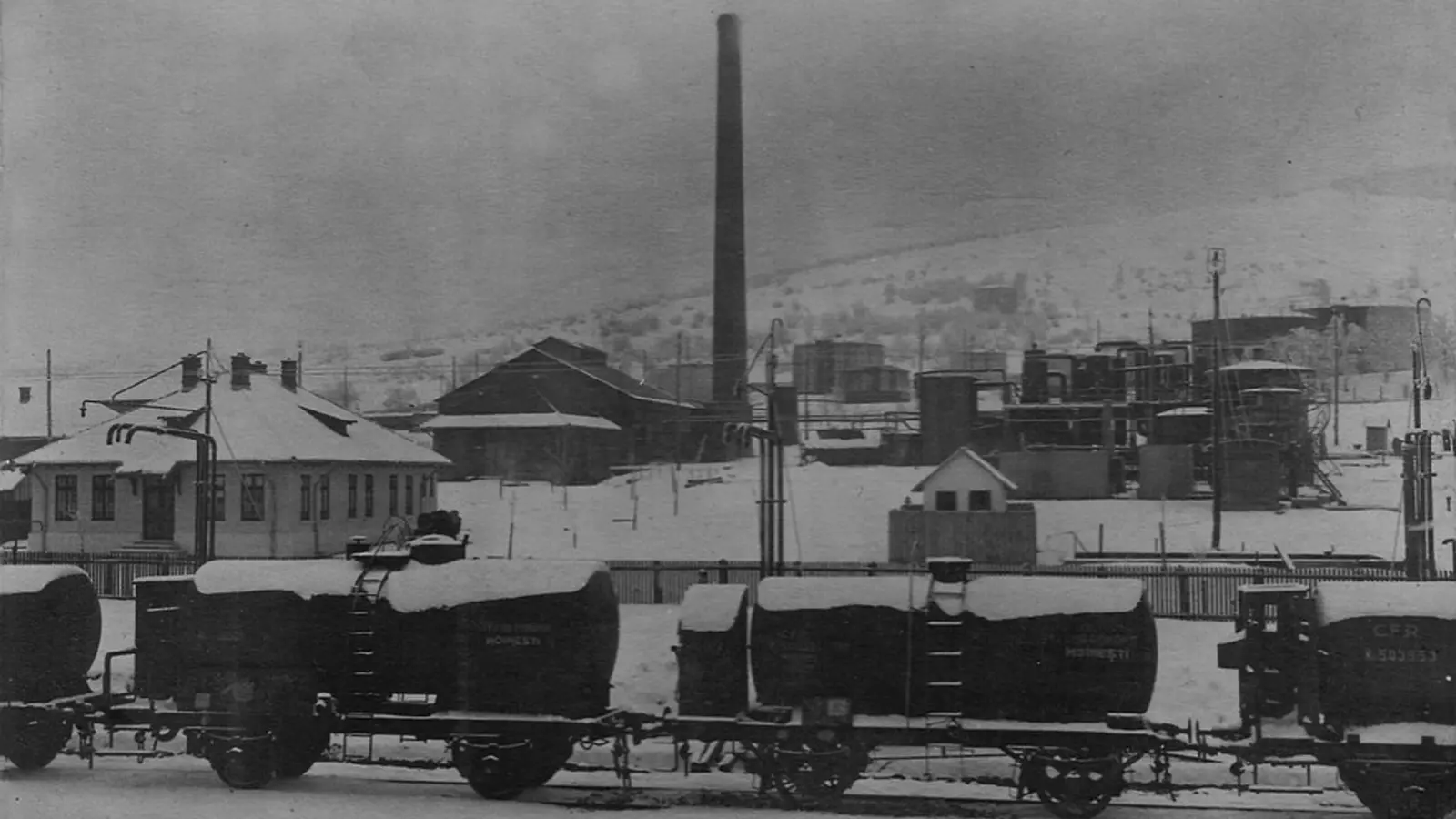
OMV Petrom has completed a 140 million euro investment at the Petrobrazi refinery, consisting of the installation of a new aromatics unit capable of processing around 150,000 tonnes/year of benzene and toluene. The unit replaces the one built in 1961 and increases toluene production capacity by around 50,000 tonnes/year, reaching approximately 100,000 tonnes/year. Since privatisation, OMV Petrom has invested over 2 billion euros in modernising Petrobrazi.
Industrial chemistry is not fossil fuel
A common confusion in the energy transition debate lies in treating the petrochemical industry as a homogeneous whole together with the transport fuels industry. A modern refinery is a platform for the separation and transformation of hydrocarbons with two main destinations: fuel (in structural demand decline) and base chemicals (with stable or growing demand).
The toluene produced at Petrobrazi enters the production chain of toluene diisocyanate (TDI), the raw material for the polyurethane foams used in the thermal insulation of buildings. Benzene is a precursor for structural polymers, pharmaceutical materials and industrial adhesives. This demand is not eliminated by the electrification of transport — in part, it is even supported by it: the increased insulation requirements of Directive EPBD 2024/1275 generate additional demand for polyurethane, and therefore for toluene.
Two parallel trajectories at the same refinery
The full context of OMV Petrom's investment at Petrobrazi includes, in parallel with the aromatics unit, a 750 million euro project for the production of sustainable aviation fuel (SAF) and HVO, with a green hydrogen component. These two investment lines coexist at the same site: the modernisation of classical chemistry and the construction of transition chemistry. OMV Petrom is the largest integrated energy producer in South-Eastern Europe, with a refining capacity of 4.5 million tonnes/year.
Relevance for the renewable energy market
The Petrobrazi refinery is a significant industrial consumer of electricity, with annual consumption in the order of hundreds of GWh — an ideal buyer profile for a PPA (Power Purchase Agreement) with a renewable energy producer. The convergence between the decarbonisation of refiners' industrial consumption and the supply of cheap renewable energy represents one of the structural opportunities of the industrial PPA market in Romania.